#TwoMinuteTeardown: SLZB-MRW10
Two Minute Teardown: SMLIGHT SLZB-MRW10
To make a very long story short, I need to move away from my very old 802.15.4 radios plugged into a very old Raspberry Pi for my smart home setup. After some research, the SMLIGHT SLZB-MRW10 is new, uses modern radios and ships with firmware that makes it trivial to move packet processing into compute distributed on the other end of the network.
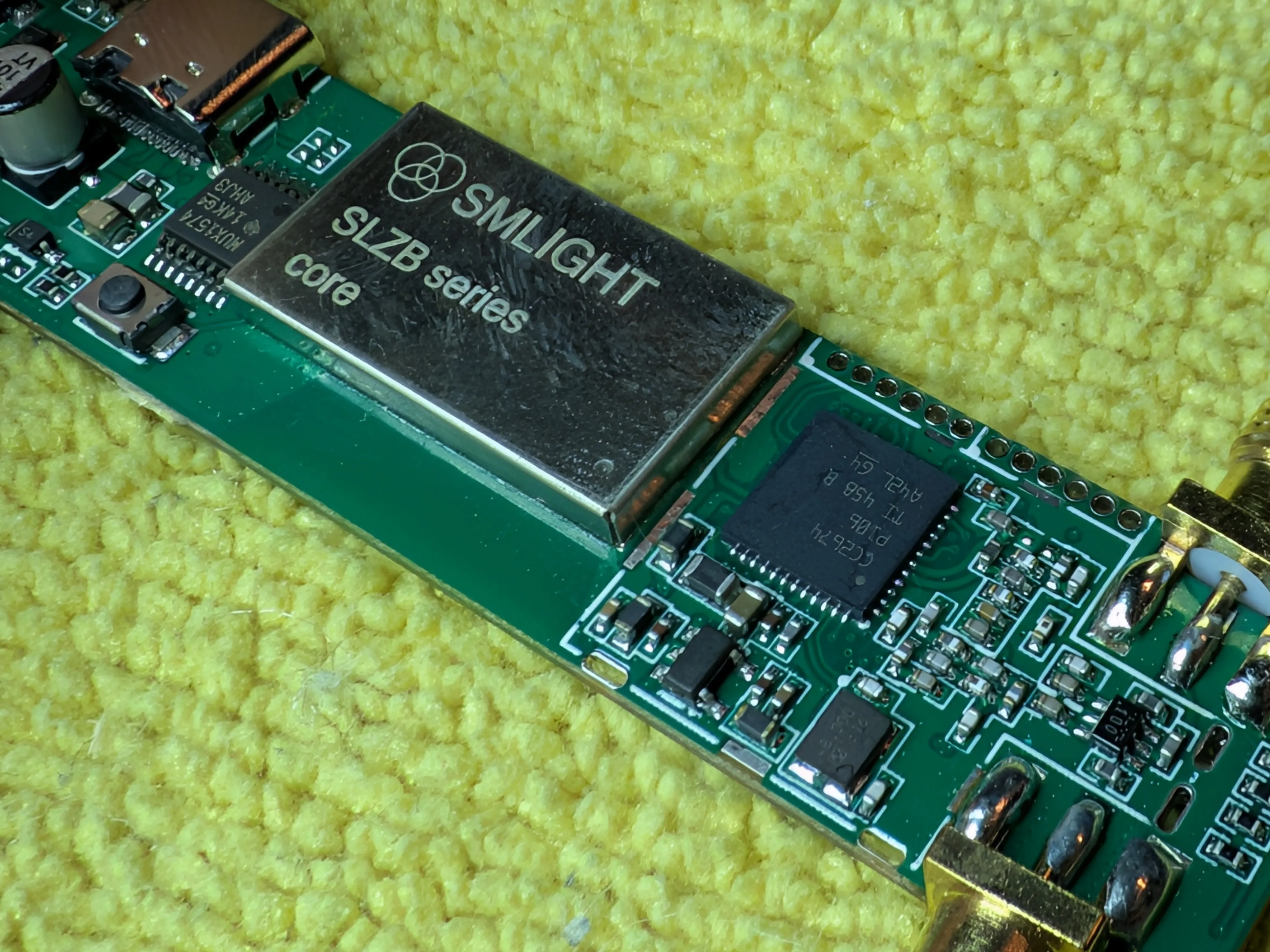
Specifically, the Silicon Labs EFR32ZG23 implements Z-Wave 800 (+ Long Range) and the Texas Instruments CC2674P10 implements Zigbee 3.0 or Thread.
Shame you can’t do both Zigbee and Thread at the same time, but I’m not in any hurry to switch to Matter for a long list of reasons so I’ll happily stick with the Zigbee firmware.
The core is an ESP32 that handles the network connectivity and BT/WiFi radios.
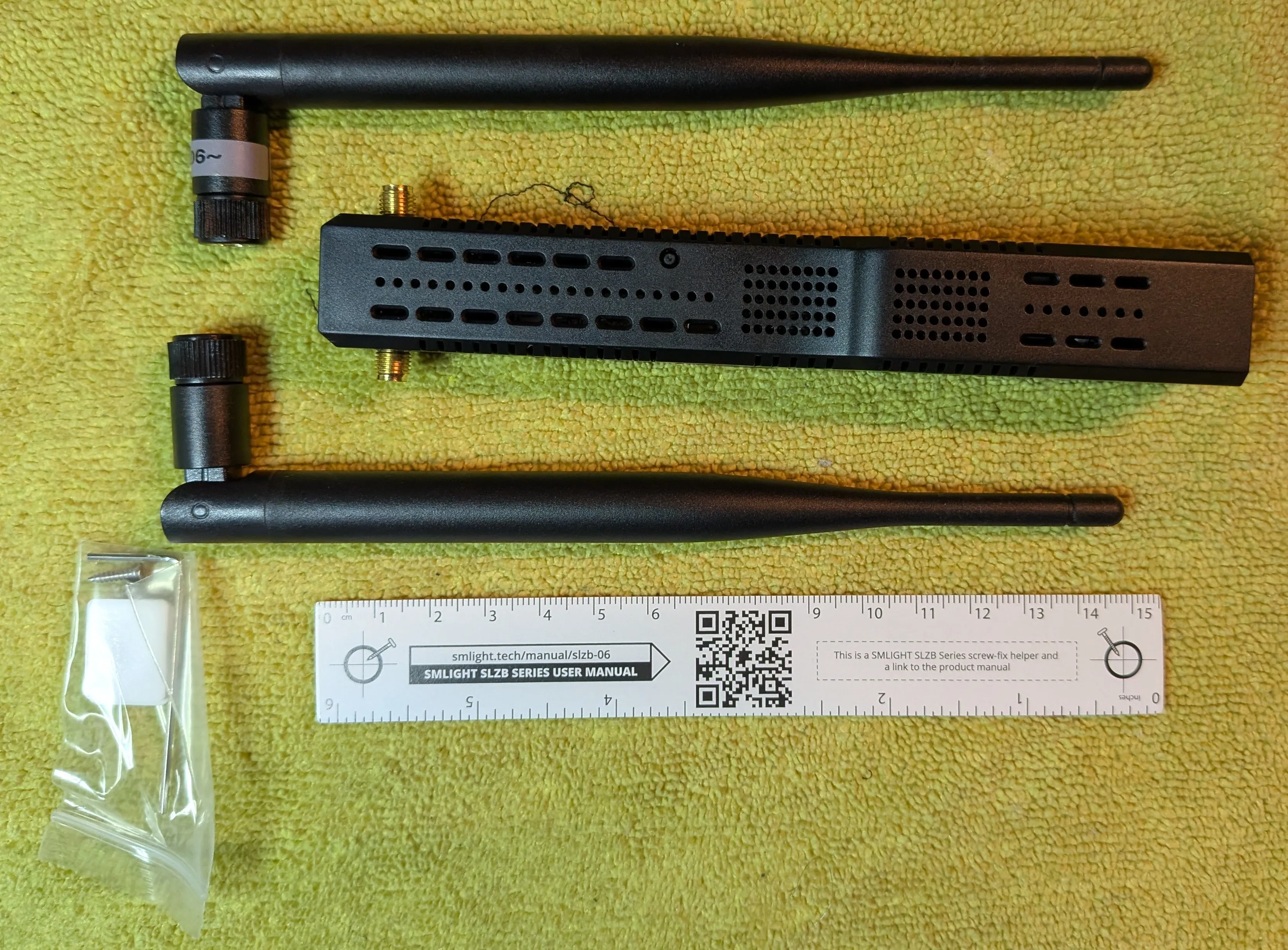
In the box you get the main radio unit, antennas and some misc mounting hardware / a template to help with spacing for the wall mount. I love it when they include a template instead of just saying “measure and drill holes yourself”. Bonus; the QR code links to the documentation page.
No screws so the back just snaps right off.
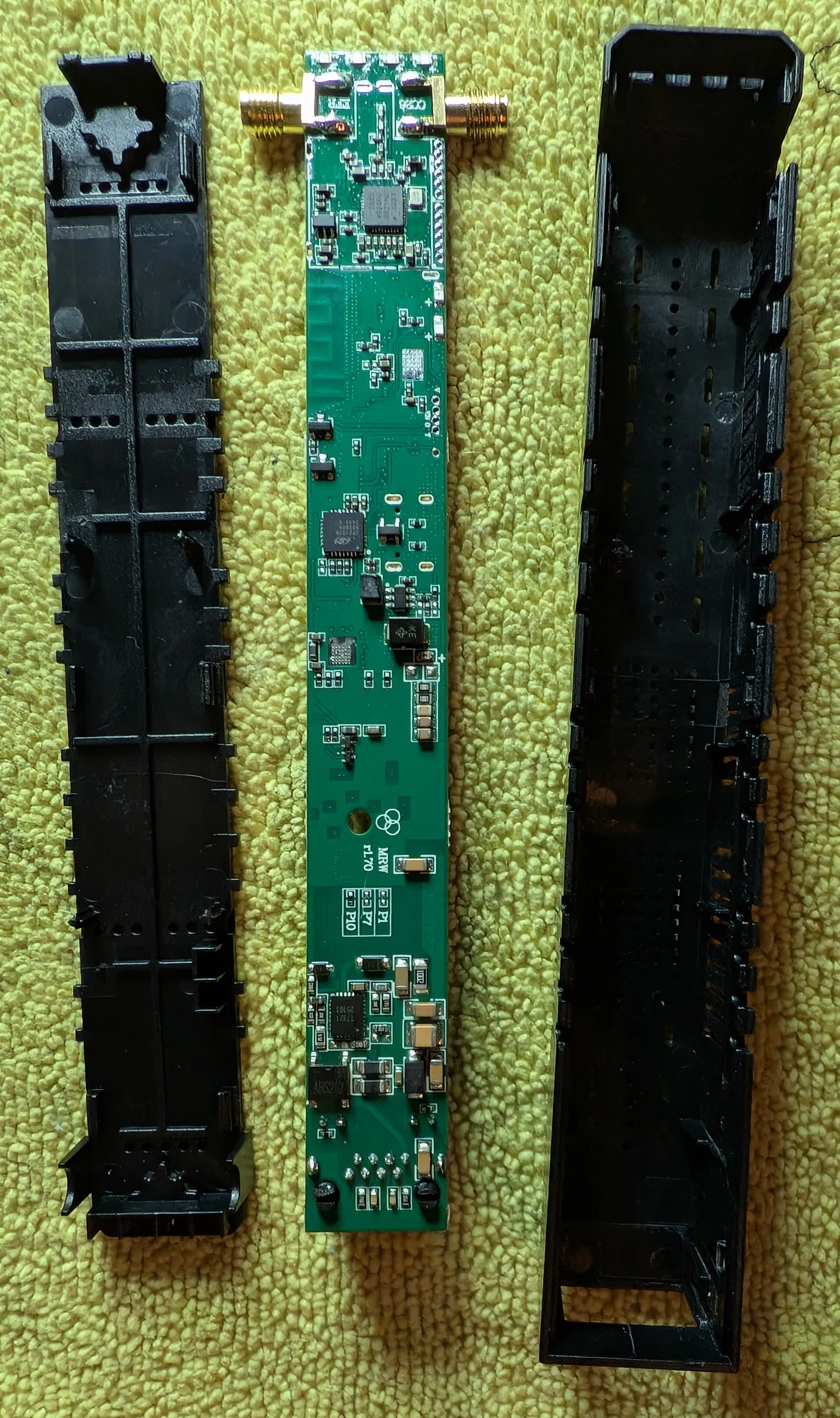
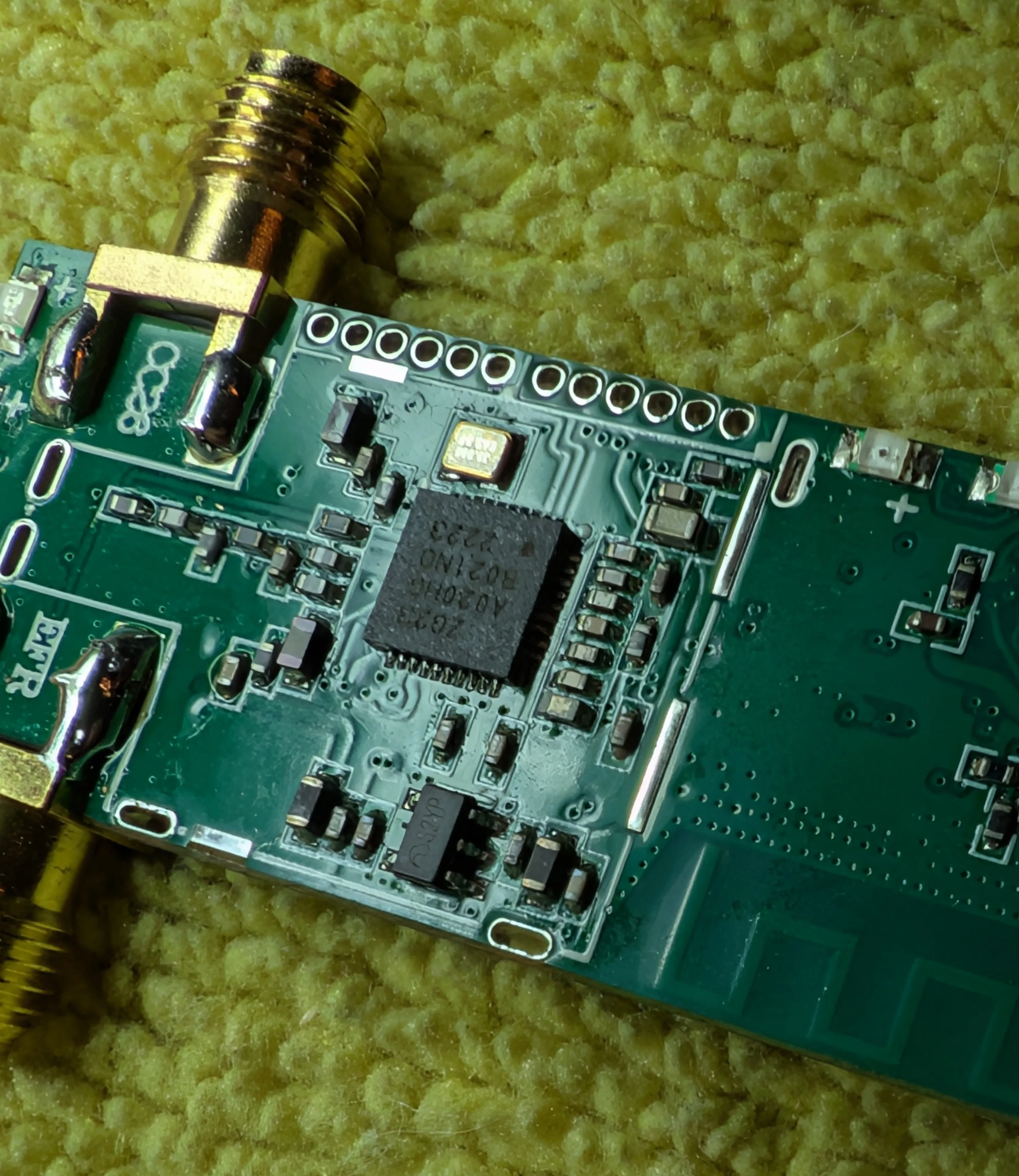

SMLIGHT does have other devices that are similar form factor so I guess it makes sense to re-use the PCB and outfit it with a programming resistor. I don’t think this is for indicating the radio regions because I can change that in software.
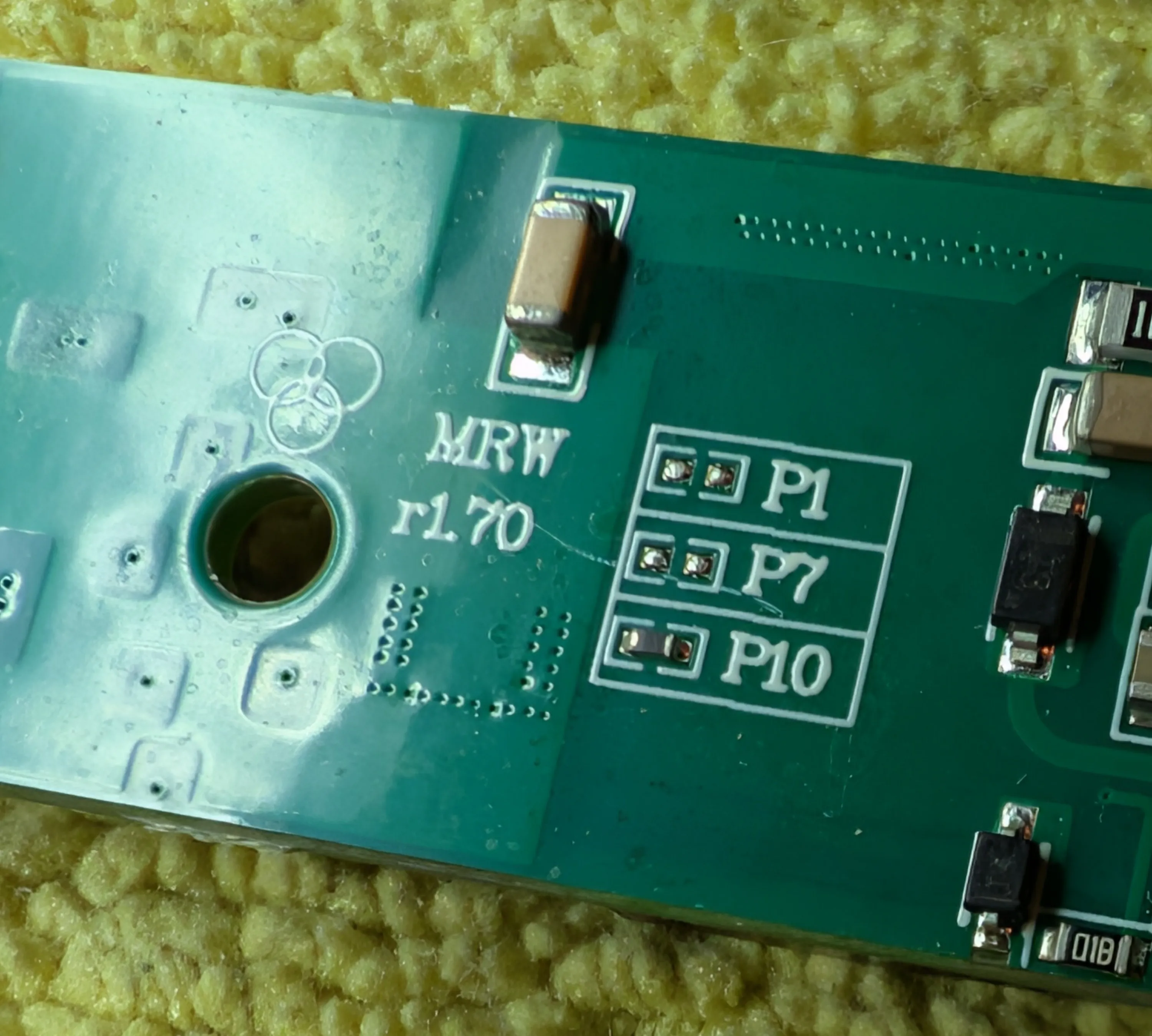
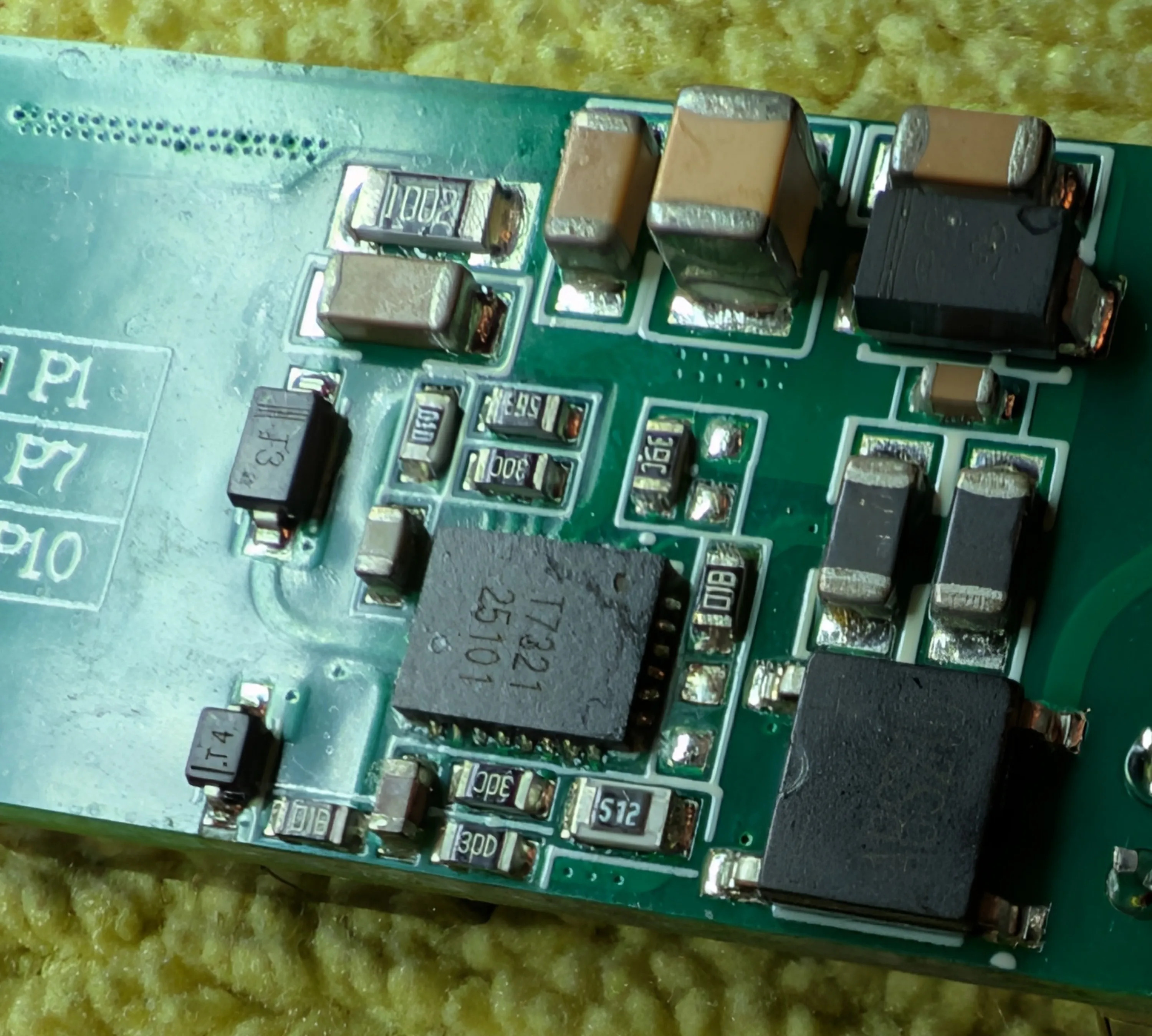
PoE circuitry.

Sorry for the glare.
Misc
Aside from the main ICs/Radios mentioned above, there are a few other interesting components:
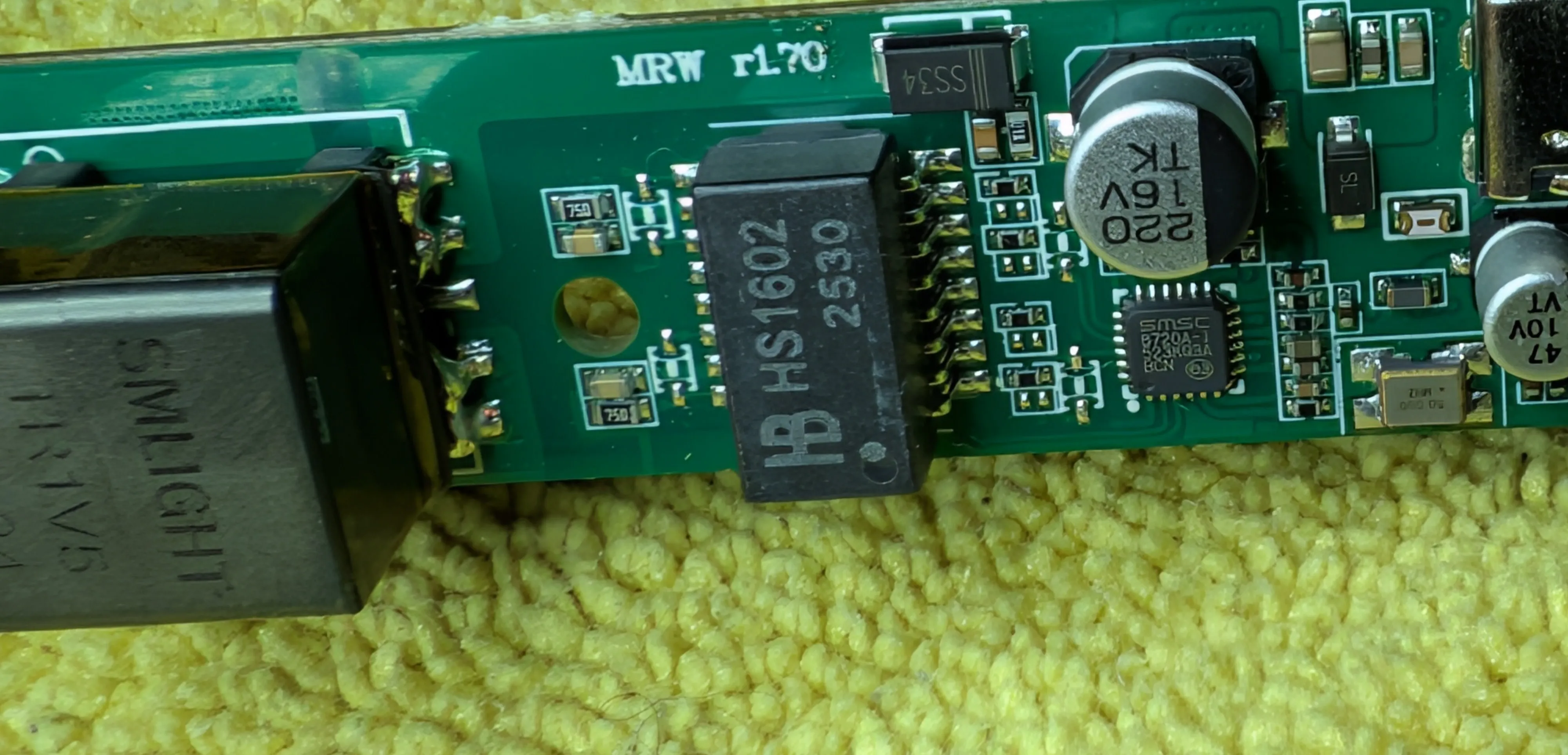
Texas Instruments MUX1574: not sure what this is doing here… unless it’s managing the 6 LEDs scattered around the board? There appear to be two LEDs for each of: the ESP32, the CC2674P10, and the EFR32ZG23 which makes for a total of 6 LEDs … which is two more than the MUX1574 can handle.SMSC 8720A: Ethernet PHY, same as the ones used in the LED Controllers I recently tore down.Toll Semiconductor TMI7321: PoE controller IC, also used in one of the LED controllers.
dmesg
The USB-C port is not just for power; as far as I can tell, it’s wired to a CP210 which is connected to the ESP32. Firmware on the ESP32 then proxies UART traffic from the two radios allowing you to interact with all radios over a single serial connection.
Interesting to see that they bothered to set the product, manufacturer, and serial number strings on the USB device instead of leaving them w/ the default values.
| |