#TwoMinuteTeardown: Multiple LED Controllers
Introduction
Bit of a change in format; instead of one massive post for all the misc. 11-11 teardowns, I’m grouping them. This post is the “LED Controller” group. I managed to snag the following on Ali Express:
- Gledepto GL-C-618WL LED Controller
- IoTorero LS11PDual LED Controller
- SMLIGHT-A1-SLWF-09 LED Controller
To continue from last year’s trend, I waned to celebrate that all three of these LED controllers have:
- WLED firmware flashed from the factory
- GPIO labeled for hacking
- No firmware lock-in; the USB interface shows up as a standard serial device on Linux so you don’t even need to open it up to re-flash it!
The broad changes compared to last year are:
- Designs are more modular, allowing for upgrades to be added to a flexible base design
- Ethernet is a common upgrade option now for more reliable LAN control
- PoE is an option on some models for easier deployment in locations without easy access to power outlets
Beyond that, the internals are starting to converge on similar designs with similar components.
I have created an ICs and Markings section for each teardown to help identify the key components used in each design … but you’ll see that the same chips keep showing up across multiple designs.
Gledepto GL-C-618WL LED Controller
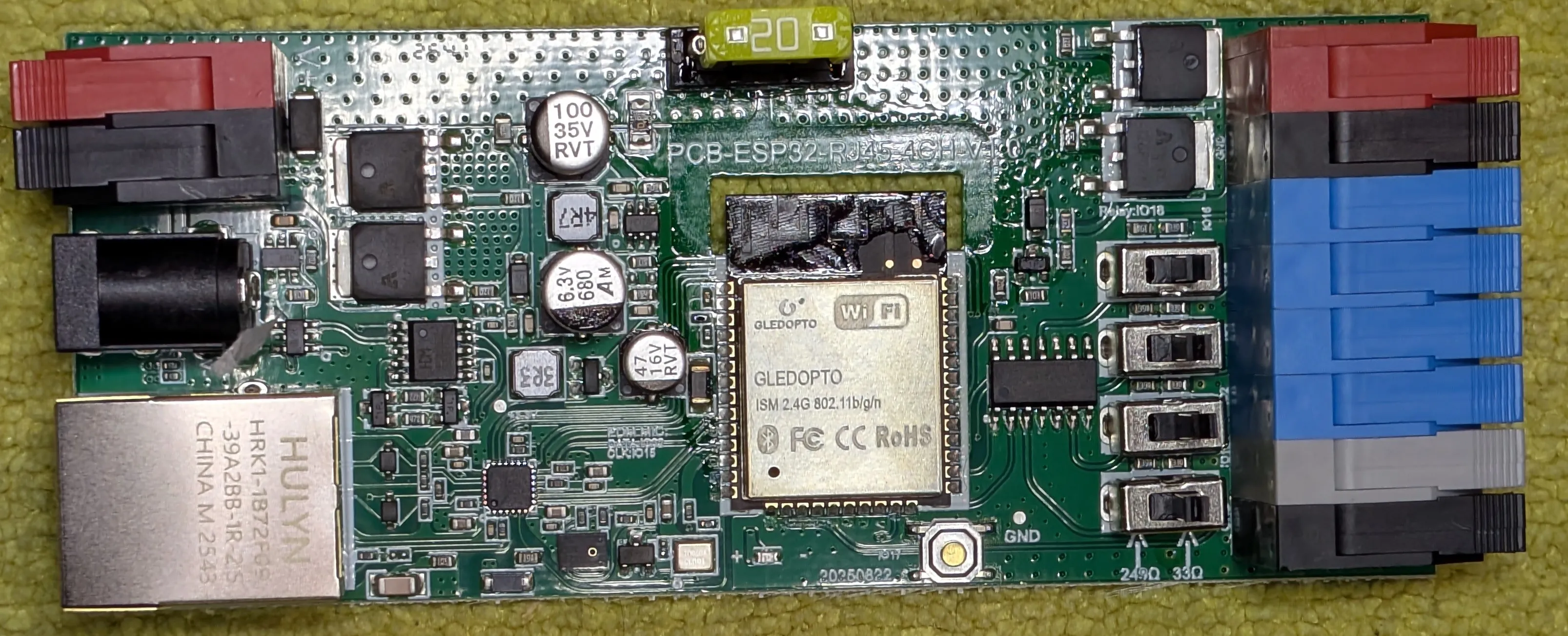
Each connector is labeled with the GPIO that drives it <3. Chunky user replicable fuse with a label stating the form factor and rating <3.
Not pictured; the back of the device has no screws. A simple pry tool is all you need to open it up.

About what you’d expect from a WLED controller. Layout seems reasonable and intuitive.
That's glare form my light and leftover solder flux... not conformal coating.
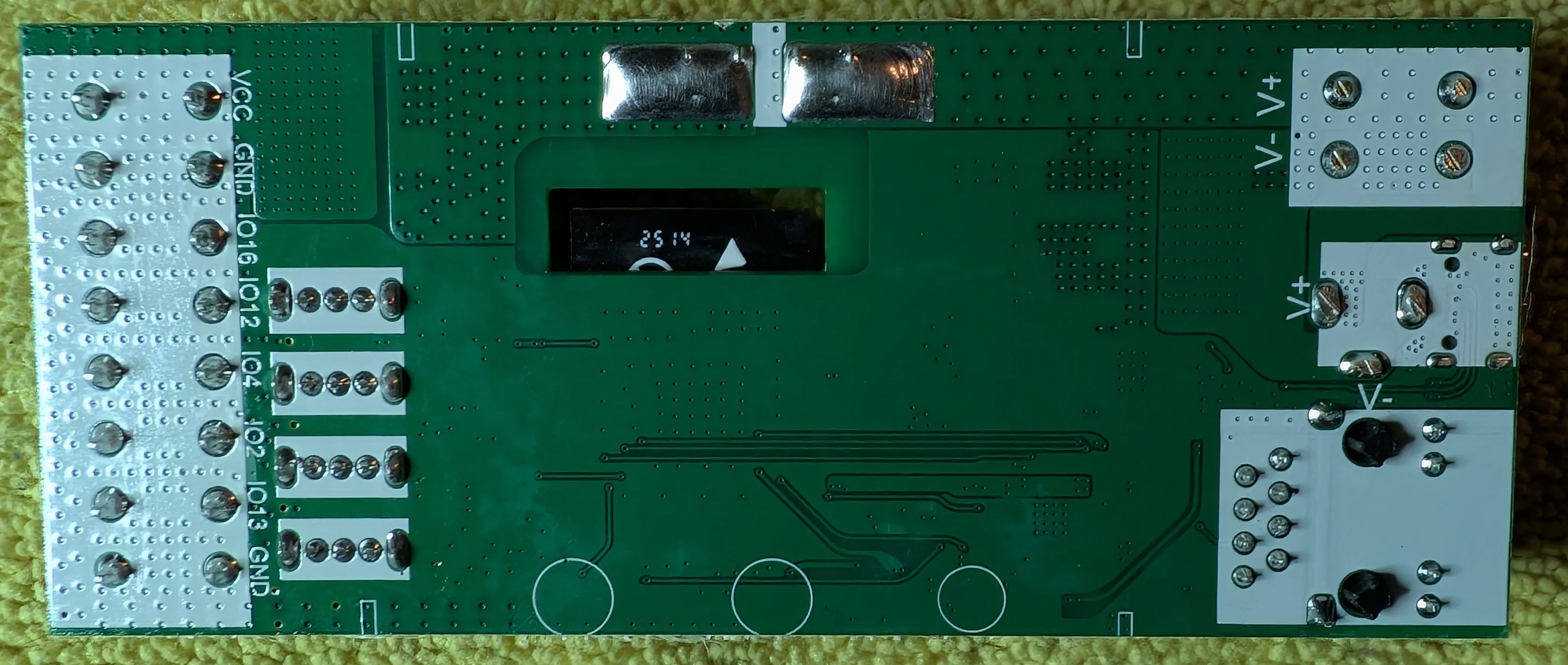
Backside is boring but everything is well labeled.
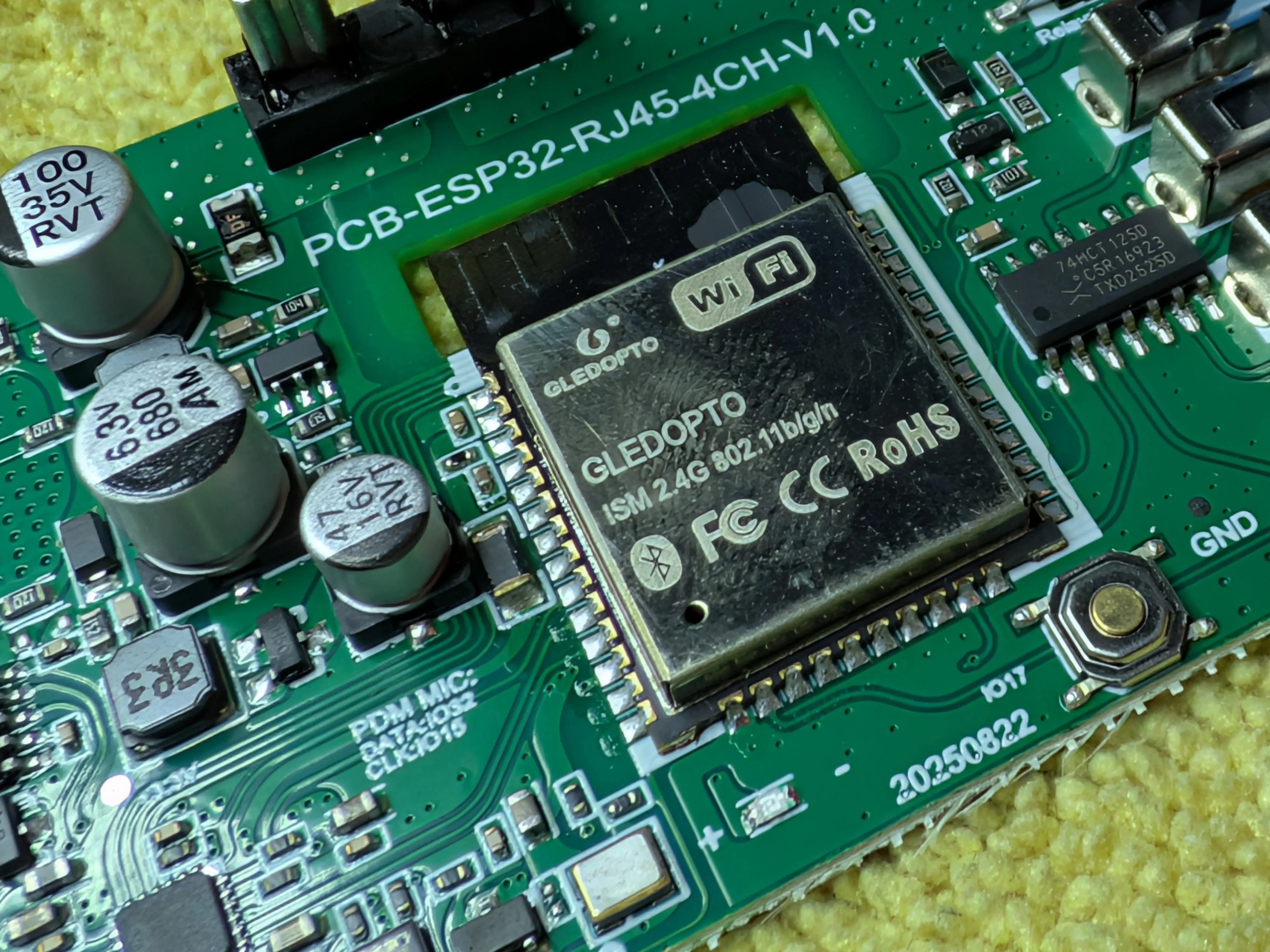
Apparently if you order enough of them, Espressif will put your logo on the module.
Not exactly sure why they have MOSFETS immediately after the power input and for the LED outputs.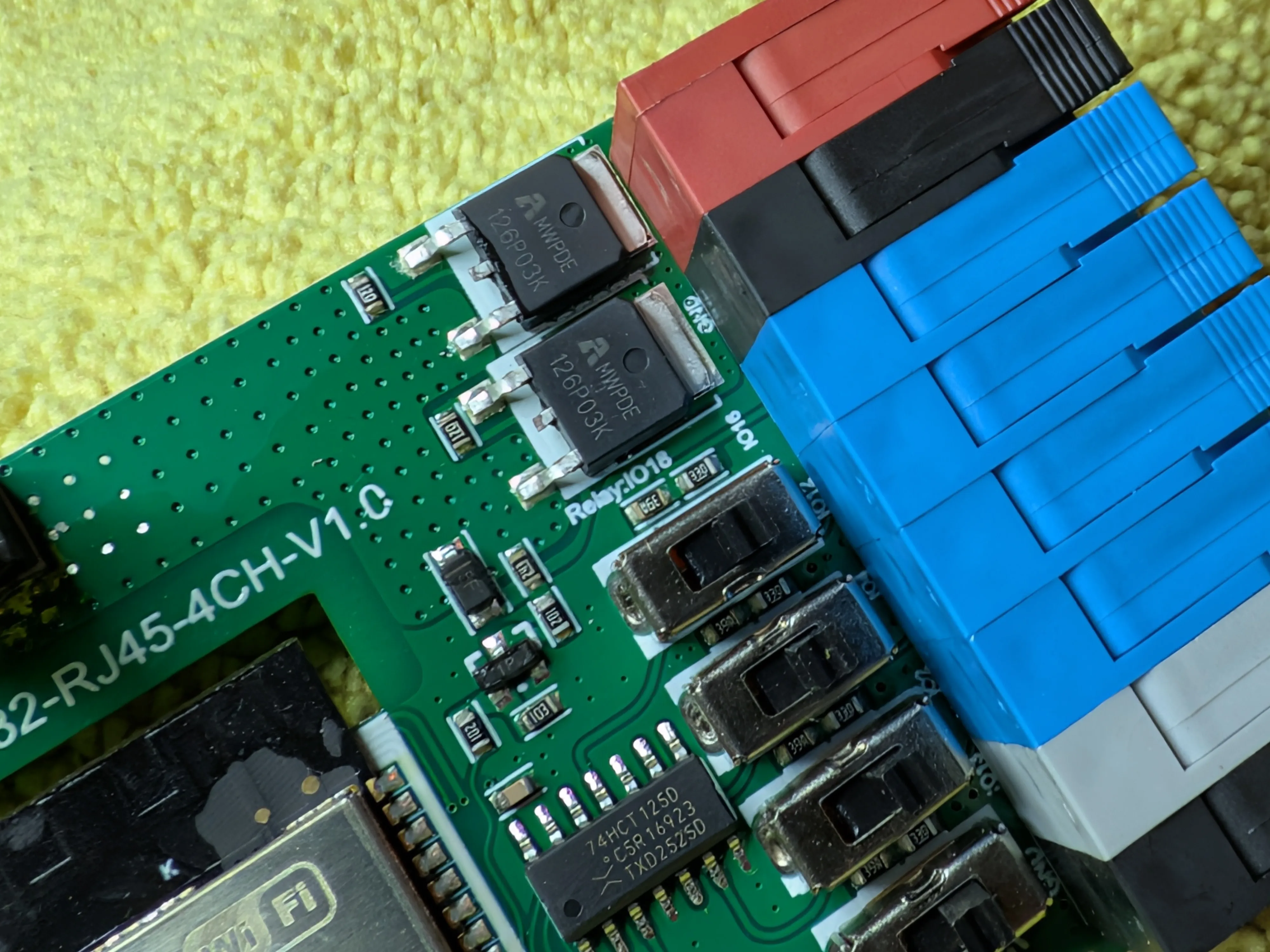
It’s not marked on the box or enclosure or mentioned in the product listing but it looks like you can select between termination resistors (24.9/33Ω) via switch. This is a nice touch for reliability over long runs of LED strip … but I’m not sure how many users will actually need to use it with that 74HC chip there.
No other controller I’ve seen has this feature so far so I appreciate the attention to detail here.
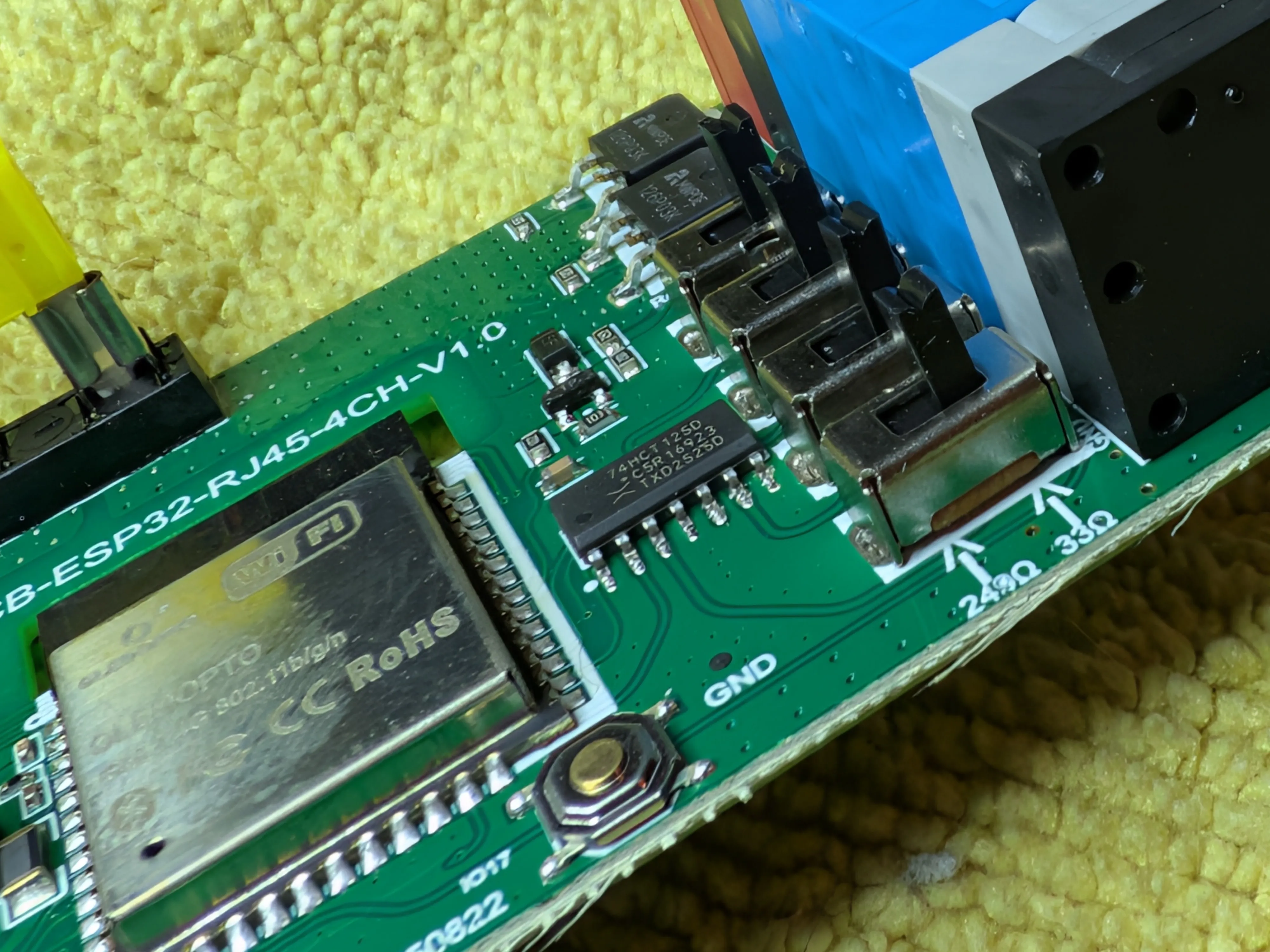
Beyond that, nice of them to mark what type of MIC is used and the GPIOs it’s wired to.

I would expect the fuse to be the over-current protection for the entire board…. so I’m not sure why there’s a pair of MOSFETs right after the DC input.
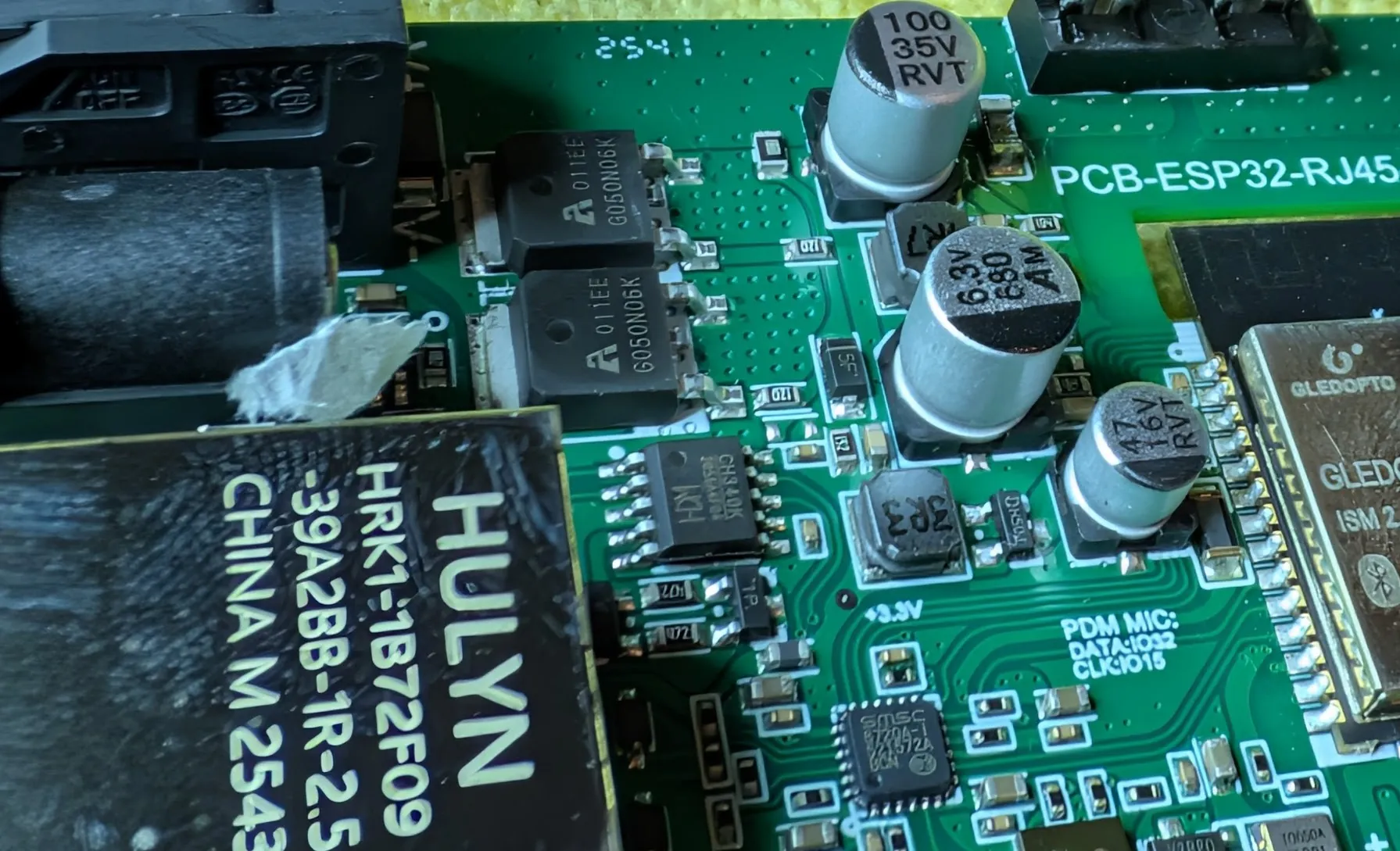
Misc
ICs and Markings
All Power G050N06K:All Power 126P03KSMSC 8720A: Ethernet PHYCH340K: Handles the USB to UART conversionNexperia 74HCT125D
dmesg
When plugged in via USB, shows up as a CH341 device:
| |
I did not bother trying to check for logging output over the serial interface since WLED is already installed and there’s no mystery firmware to reverse engineer.
IoTorero LS11PDual LED Controller
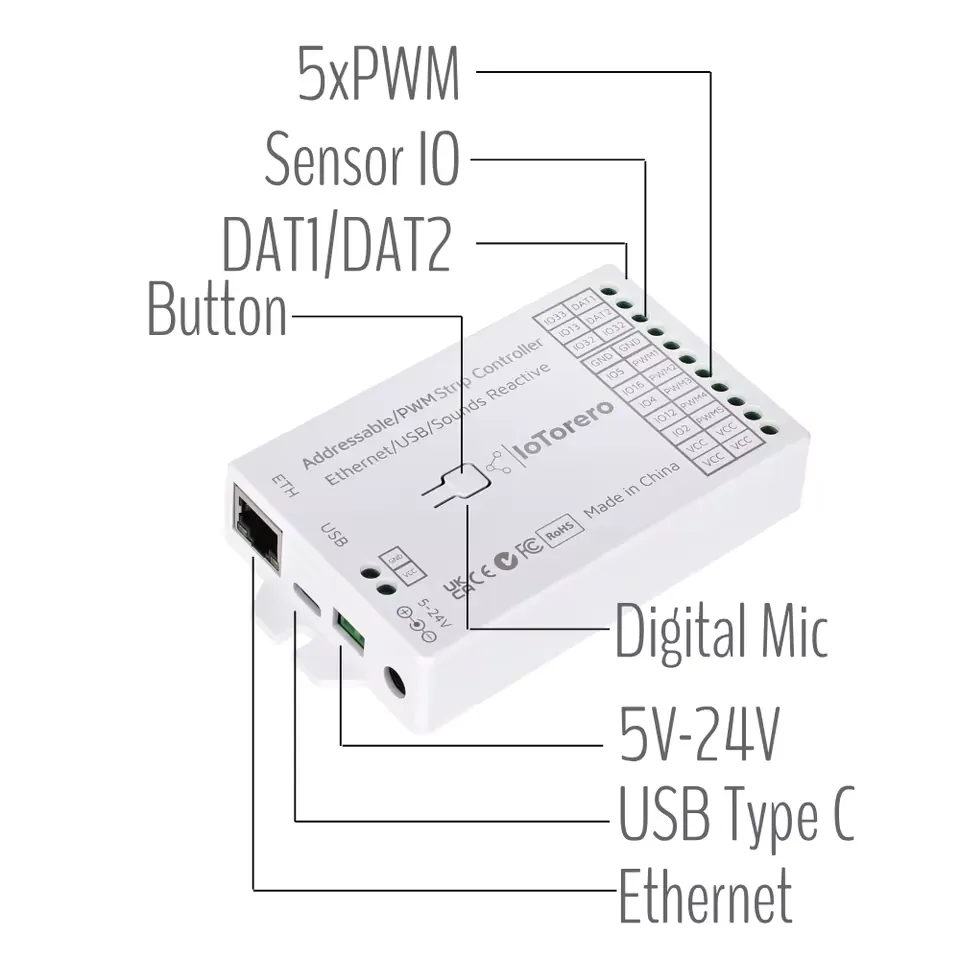
Again, nothing to unscrew on the back; just a pry tool to open it up. The tracks are quite wide and the extra solder implies some beefy current handling.
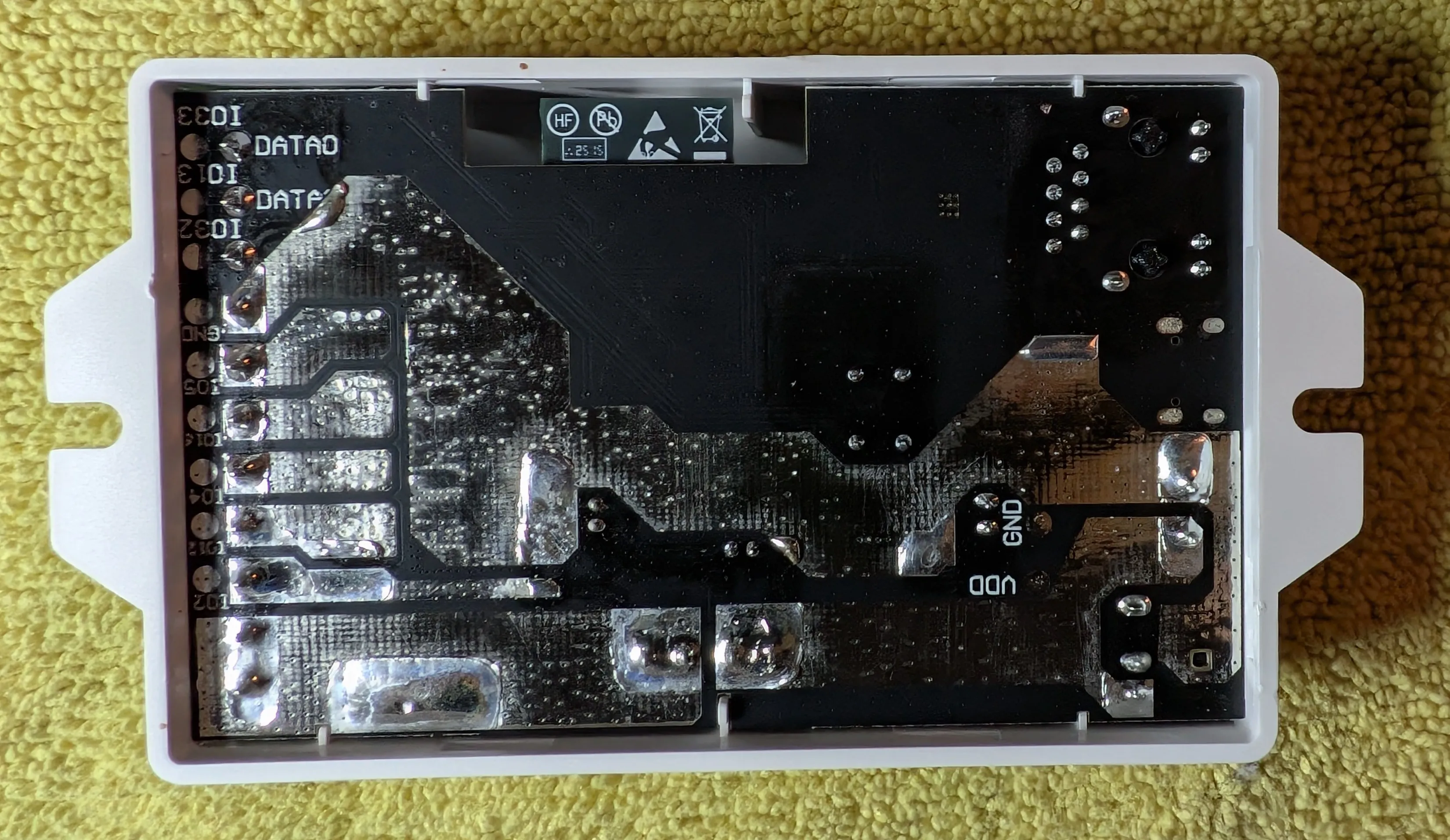
This design isn’t quite so modular or as sophisticated so it’s easier to follow. The individual GPIOs for the LED channels are labeled on the silkscreen but the integrated button and microphone are not so this is slightly less friendly for hacking.
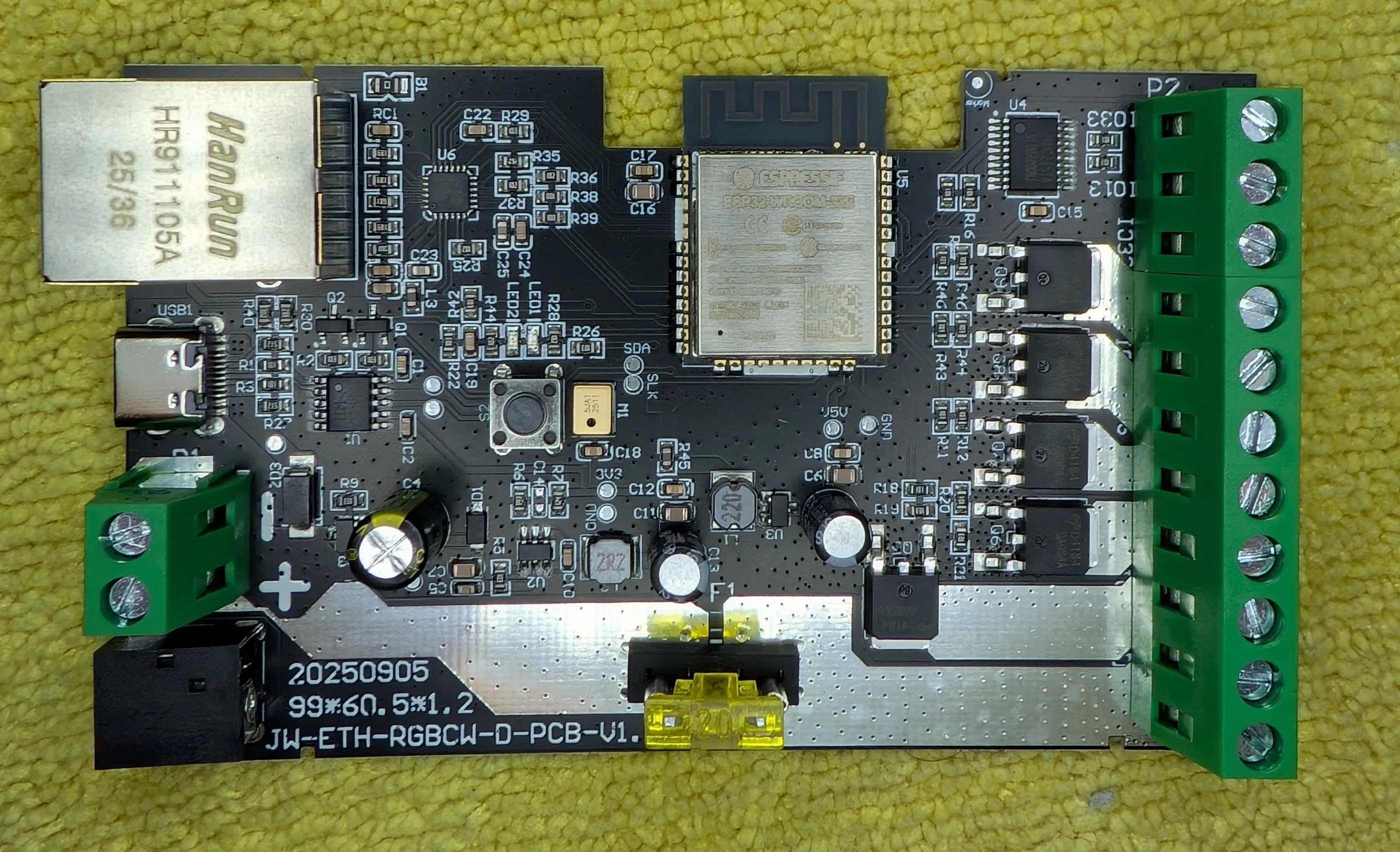
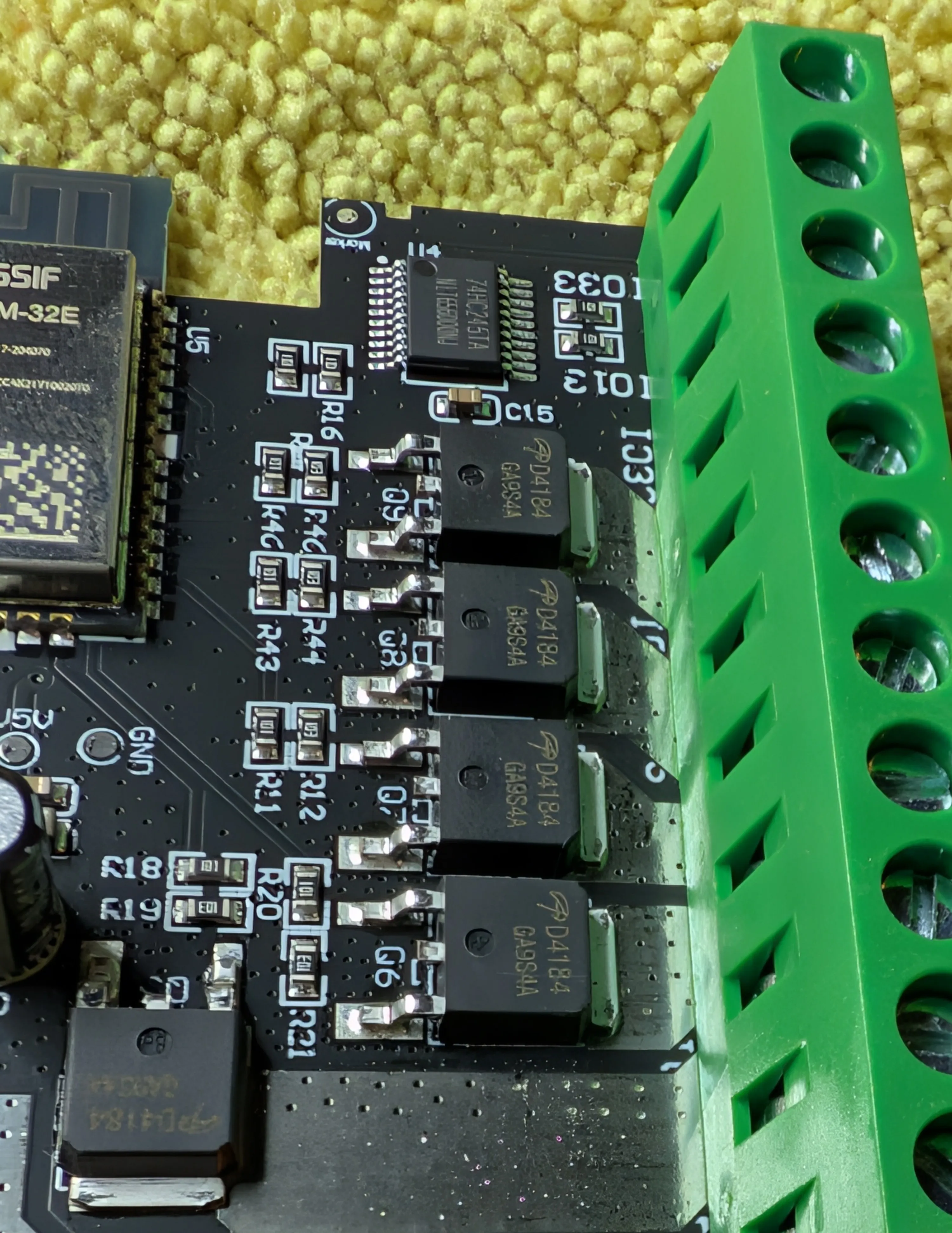
Misc
ICs and Markings
Some of these should look familiar if you’ve read the Gledepto teardown above:
SMSC 8720A: Ethernet PHYCH340K: Handles the USB to UART conversionAlpha and Omega D4184: N-Channel MOSFET74HC245TA, Unknown Manufacturer: Octal Bus Transceiver / level shifter
dmesg
Nothing unusual here; I did not bother trying to check for logging output over the serial interface since WLED is already installed and there’s no mystery firmware to reverse engineer.
| |
SMLIGHT-A1-SLWF-09 LED Controller
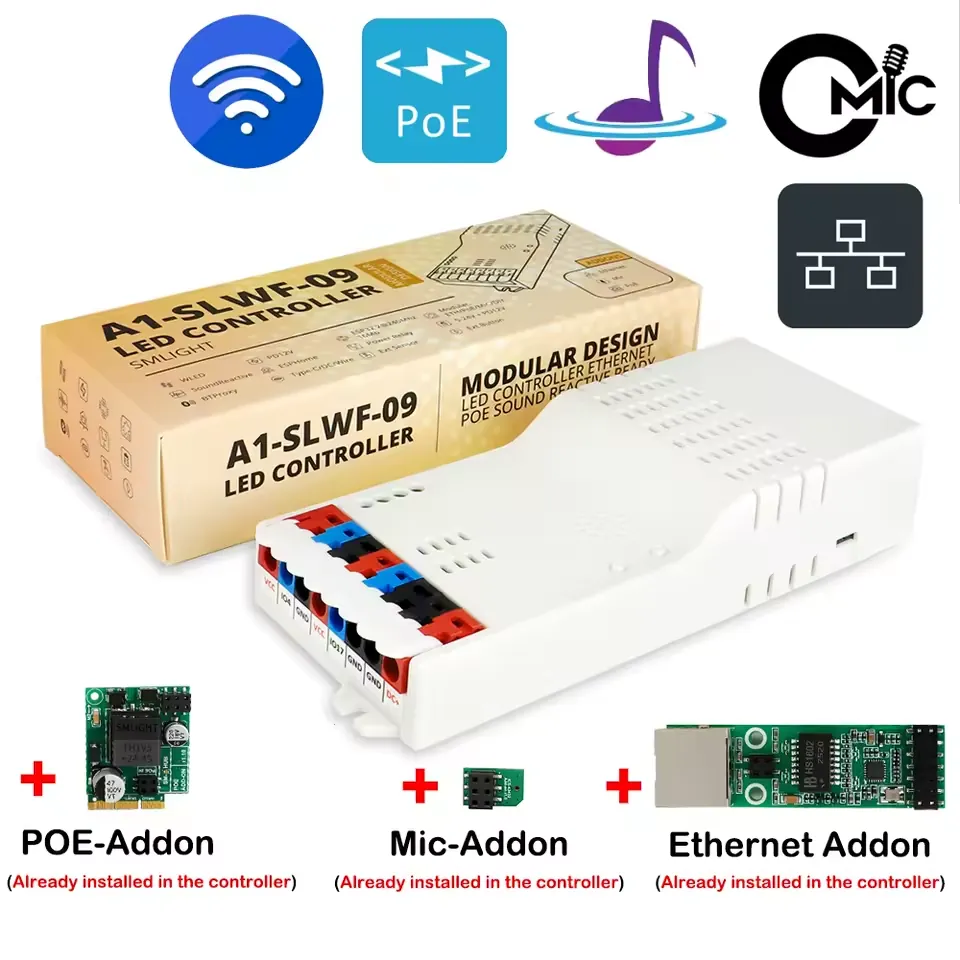
And the best for last… This one is very modular; you can upgrade the “base” model with PoE/Ethernet and a Microphone via daughterboards.
There are a few other “nice touch!” features here too:
- USB-C power input is a nice touch too. Shame it’s limited to 12v. Would have been nice to see PPS used to negotiate between 12v or 20v as needed.
- QR Codes on the silk screen and labels to help track down documentation or order parts.
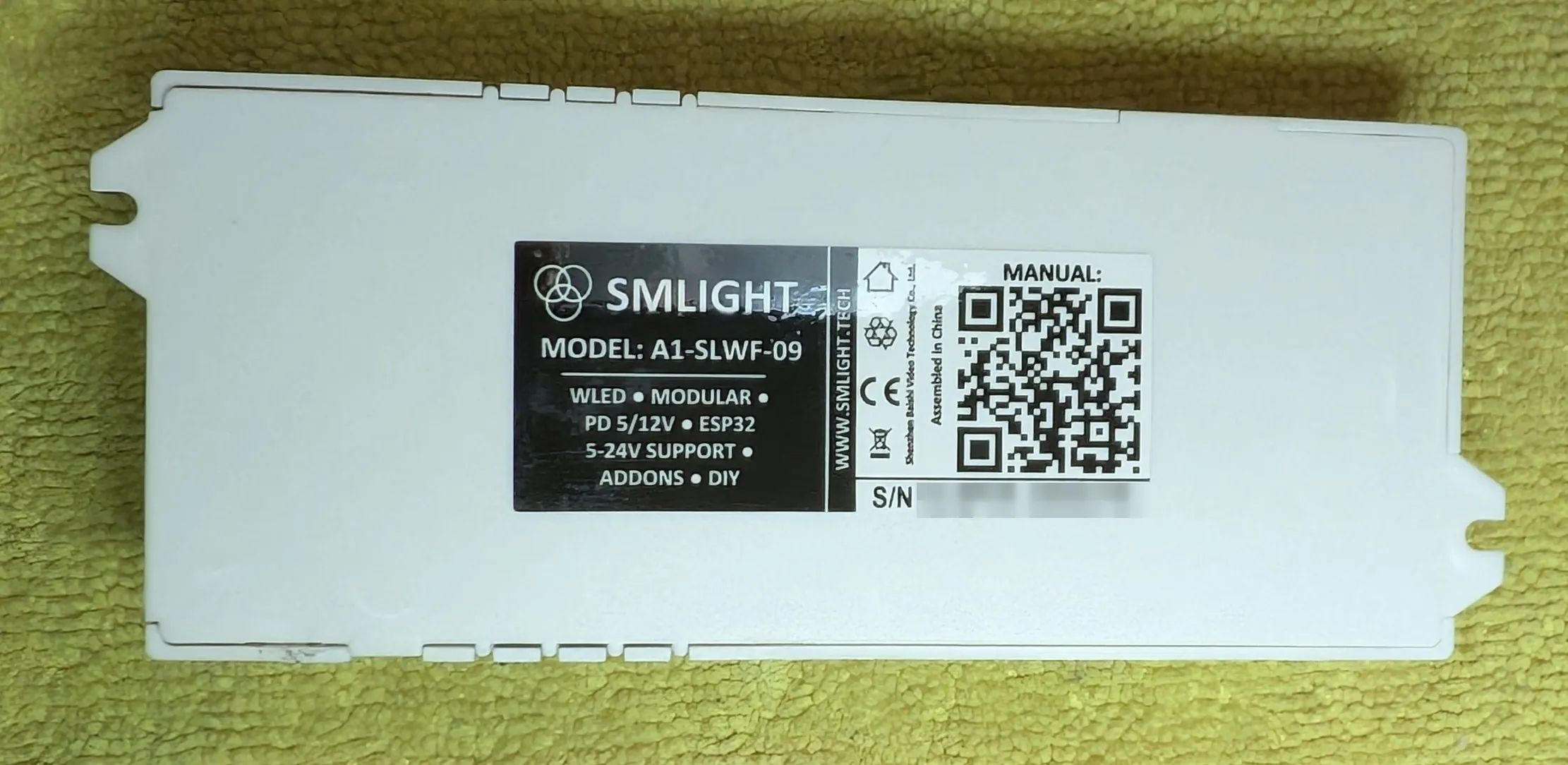
Common theme: no screws on the back; just a pry tool to open it up.
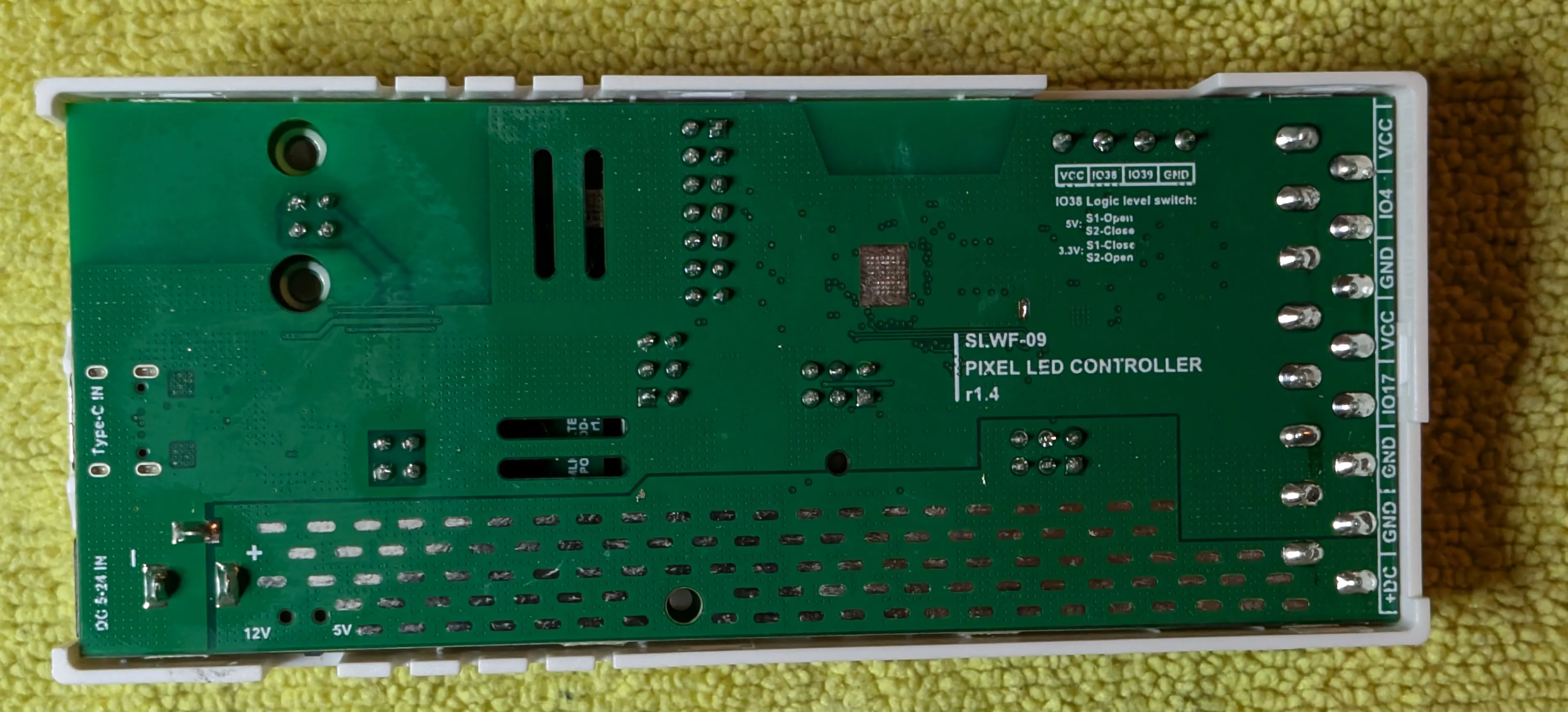
Silkscreen makes it super clear which GPIOs are used for what purpose.
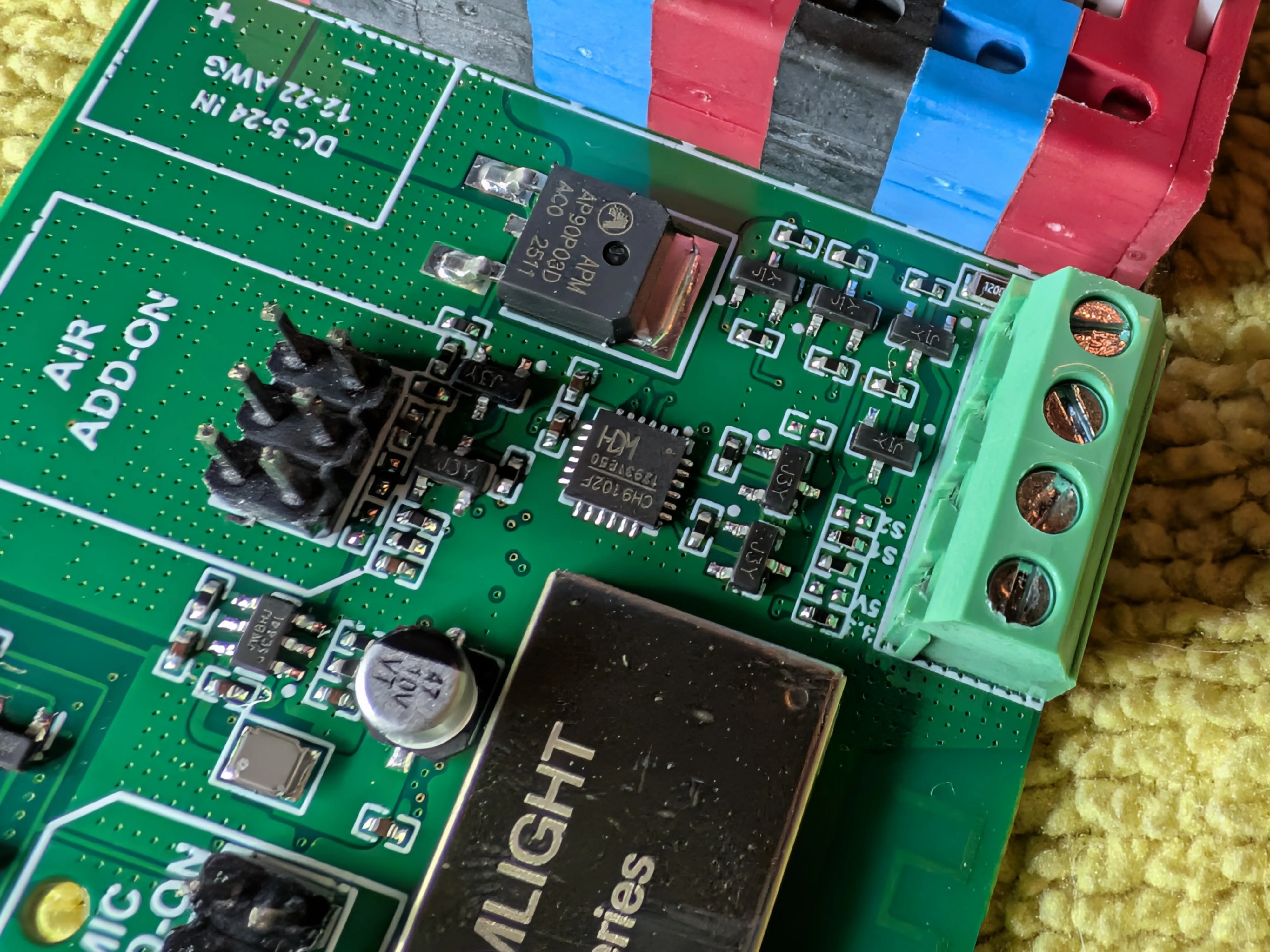
I don't know what the `AIR ADD-ON` header is for...
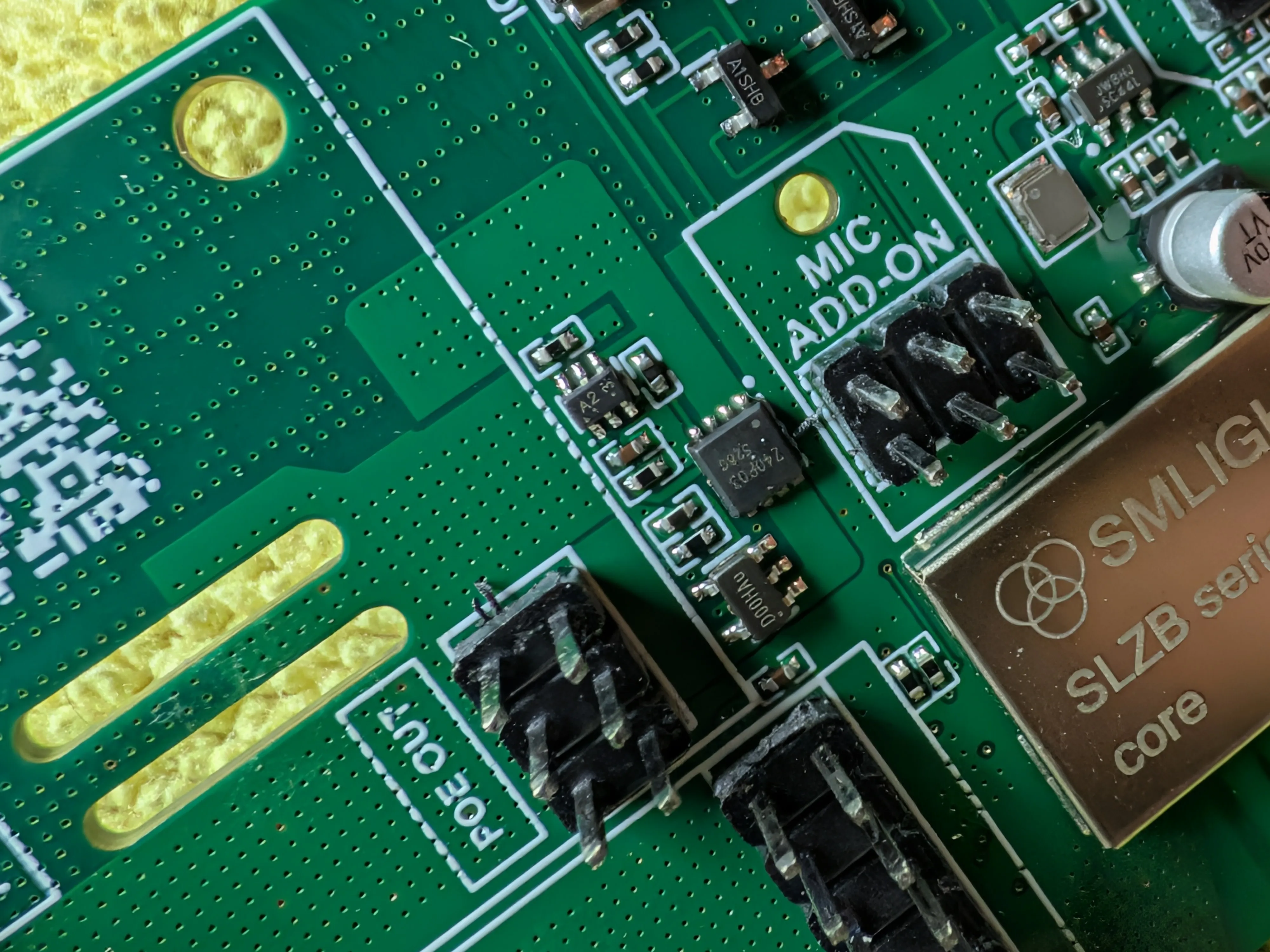
Custom metal can for what is presumably an ESP32. 'core' branding means this is likely used in most of their products.
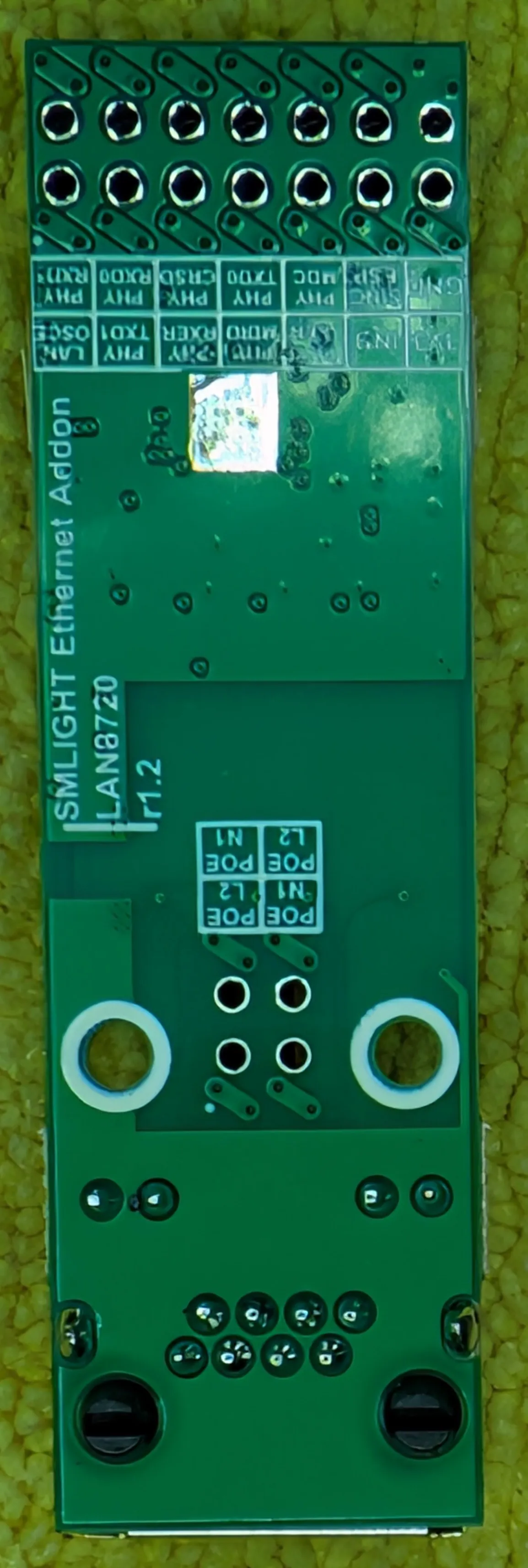
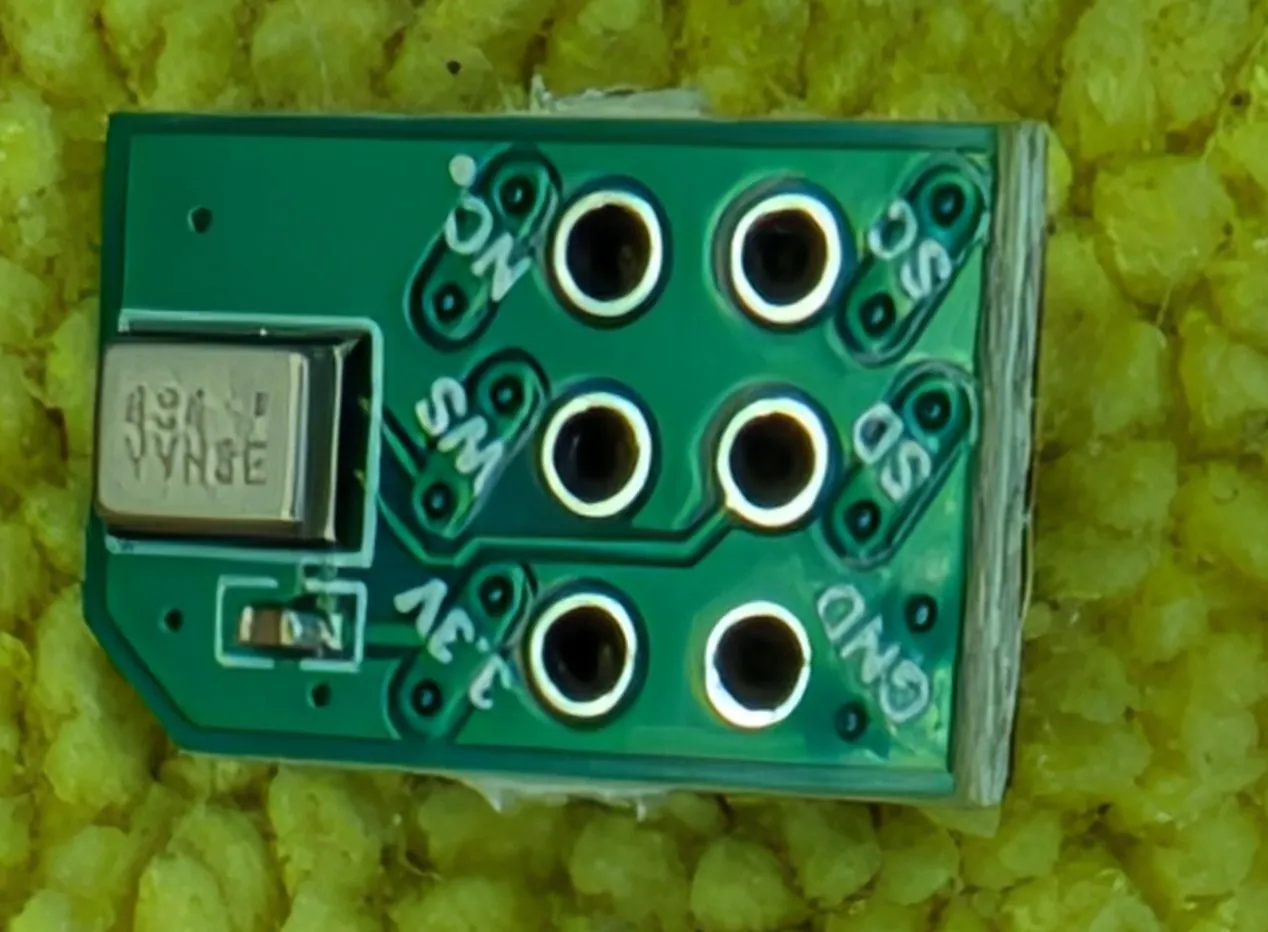
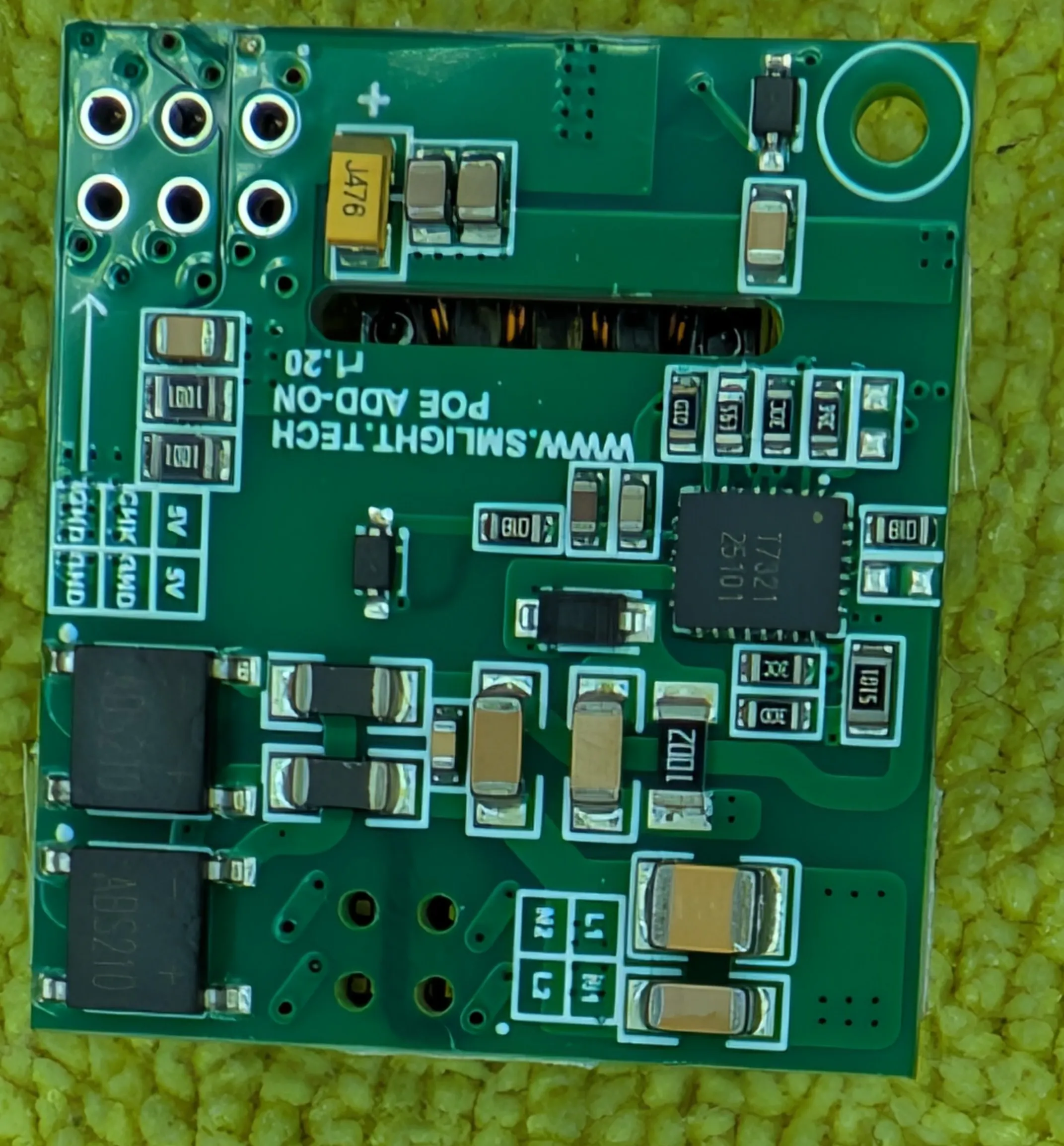
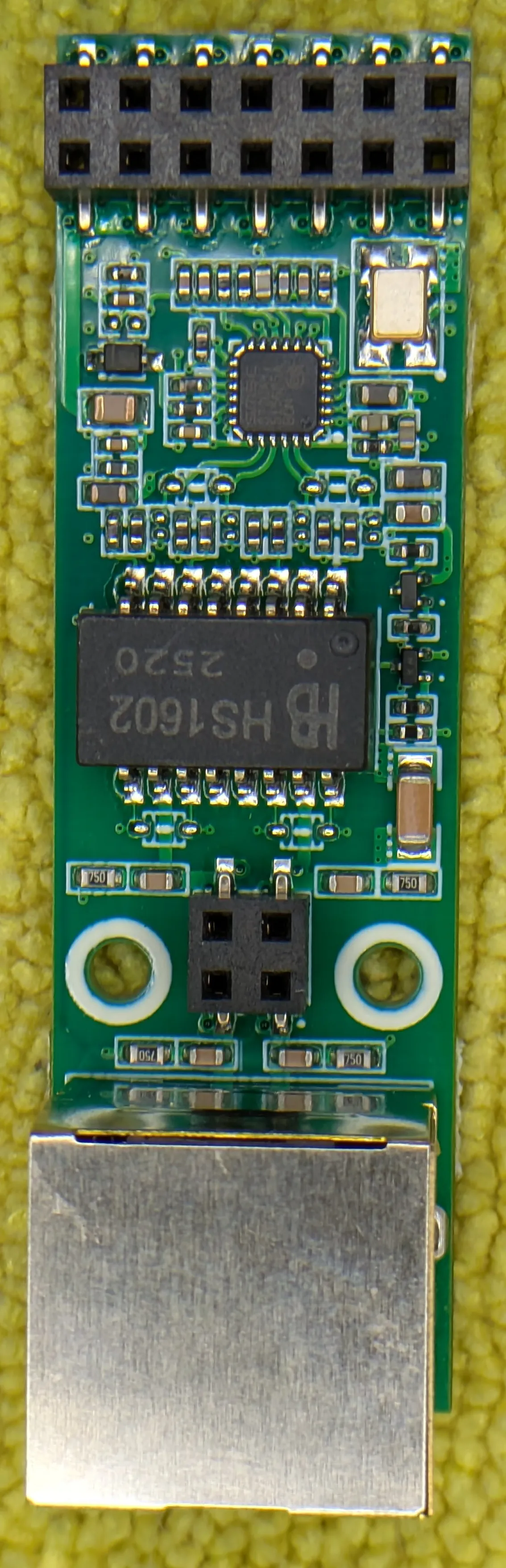
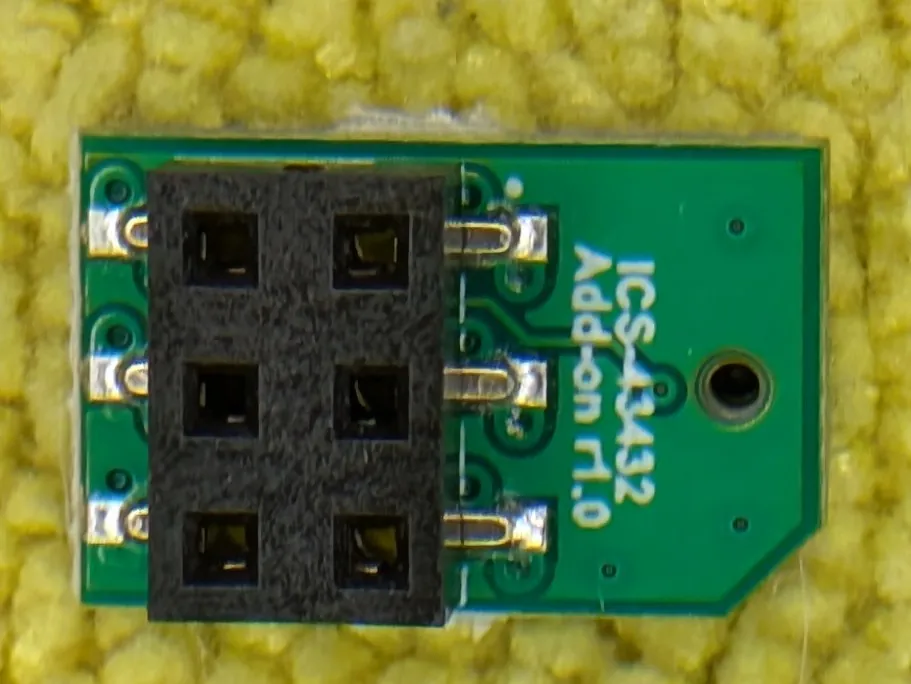
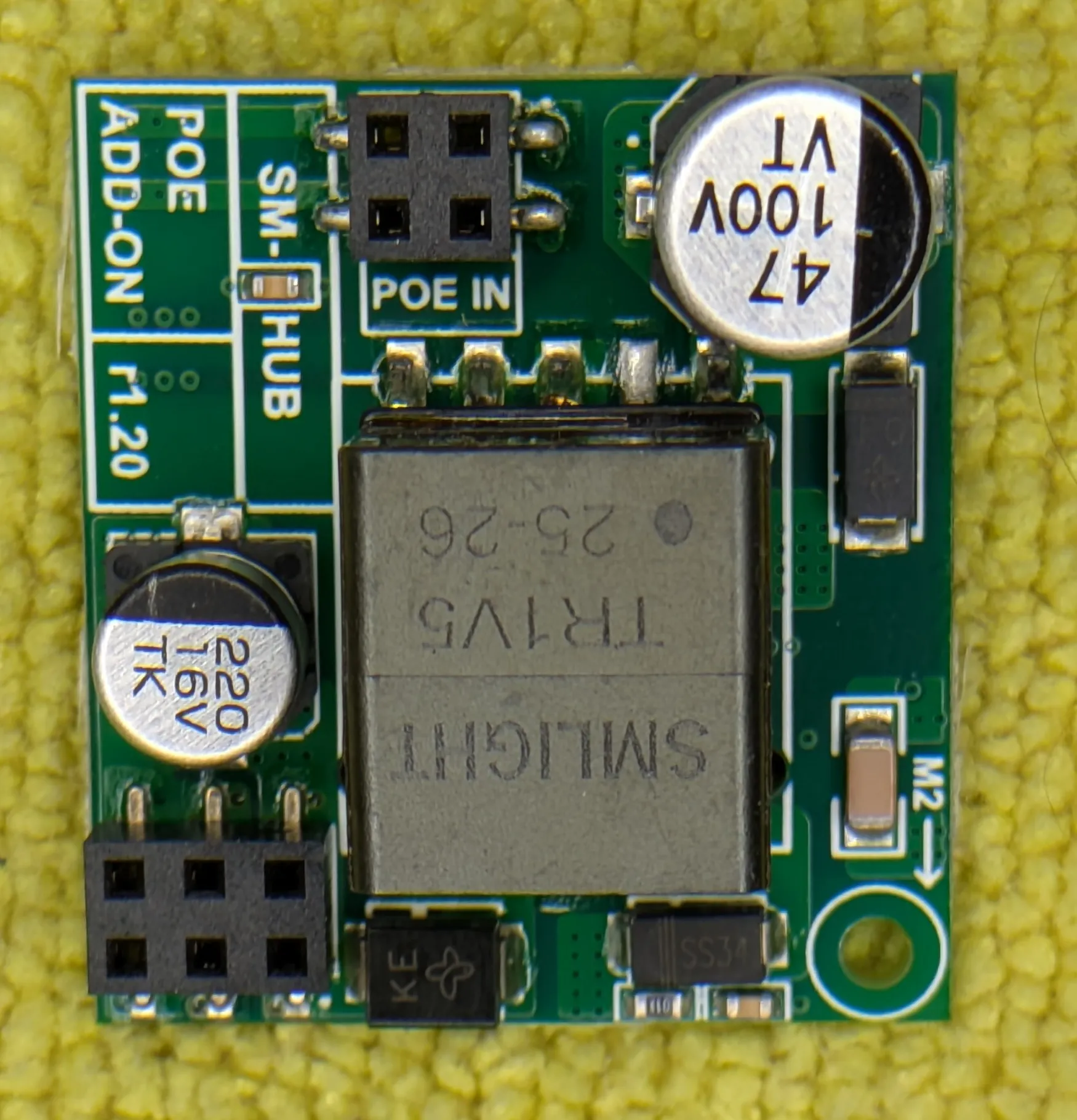
I guess they bought enough of these transformers that they could do customized branding...
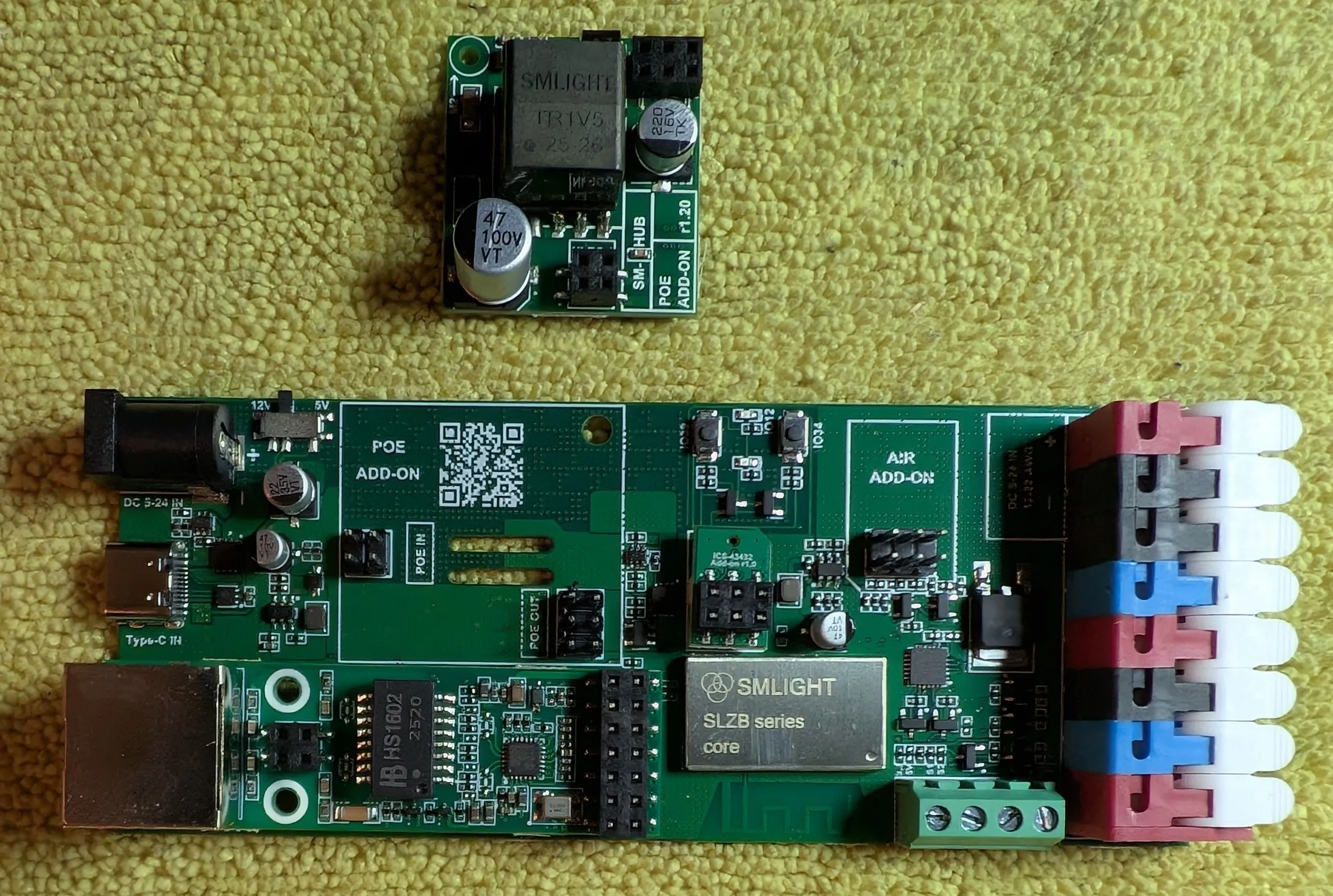
Misc
ICs and Markings
The ethernet module features the familiar SMSC 8720A but beyond that:
APM AP90P03D: MOSFET for controlling power out to the LED strips.WCH CH9102F: USB to UART bridge chip.Toll Semiconductor TMI7321: PoE controller IC.
I didn’t bother lifting the metal can off of the main microcontroller but based on the other two designs here it’s presumably an ESP32 variant (does WLED even support anything else?). It’s also identical in appearance to the ESP32 module used on the SMLIGHT SLZB-MRW10 so presumably the same module is used across multiple SMLIGHT products.
I didn’t get a clear photo of the markings on the USB/PD chip either.
dmesg
Nothing unusual here; I did not bother trying to check for logging output over the serial interface since WLED is already installed and there’s no mystery firmware to reverse engineer.
| |